
Section 4: Safeguard Your Legacy and Elevating Others
Tax wisdom isn’t just for today—it’s the compass for tomorrow.”
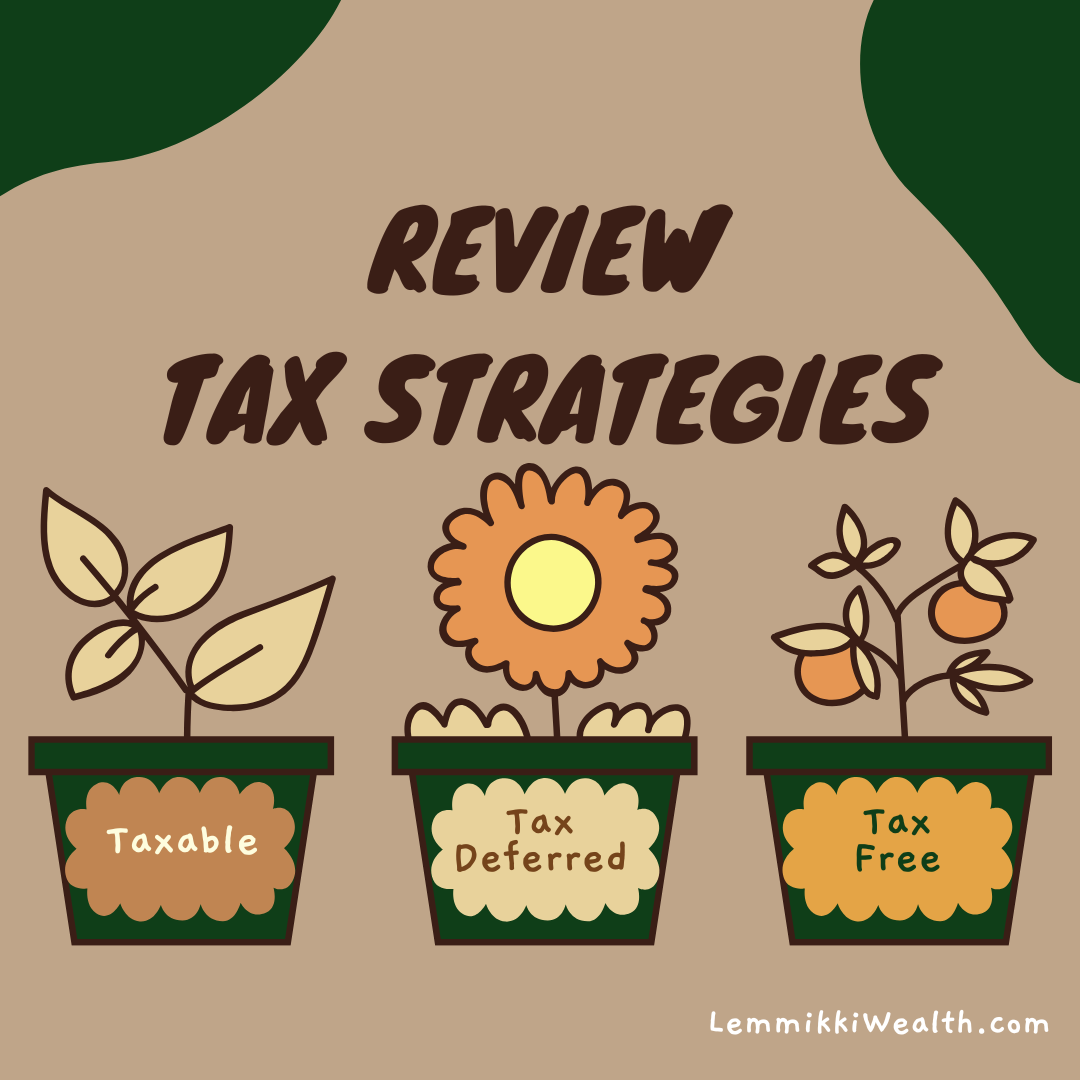
Understanding your tax bracket, both current and anticipated at retirement, can help you optimize your accounts accordingly across the different investment options, such as taxable, tax-deferred, and tax-free accounts. Seeking professional advice from a financial advisor can help ensure you’re on a financial course that’s best for you.
Reviewing your tax strategies after your documents are structured will allow your tax approach to reflect your actual legacy intentions:
This can include charitable giving, trusts, or gifting strategies that minimize taxes and maximize impact.
This will help ensure your beneficiaries receive more of what you’ve built and that your estate plan is optimized from both a legal and financial perspective.
Tax Brackets & Investment Buckets: Why They Matter Now and Later
Your tax bracket plays a crucial role in shaping your overall investment strategy, and understanding both your current and future tax situations can help you make more informed decisions today.
Know Where You Stand AND Where You're Headed
Your current tax bracket determines how much of your income goes to taxes today, but it’s just one piece of the puzzle.
Ask yourself: Will your income increase or decrease in retirement? Could tax rates shift? Anticipating these changes can help guide your investment decisions to maximize your returns and minimize your losses.
There are three main categories of investment accounts—each with its own tax treatment:
Taxable accounts (like brokerage accounts): No tax benefits going in, but offer flexibility and capital gains treatment.
Tax-deferred accounts (such as traditional IRAs or 401(k) plans): Contributions reduce taxable income now, but withdrawals are fully taxed later.
Tax-free accounts (like Roth IRAs and HSAs): Contributions are made with after-tax dollars, but qualified withdrawals are tax-free.
The goal is to balance your investments across these “buckets” in a way that minimizes your lifetime tax burden, not just your taxes this year.
Why It’s Worth a Conversation: Strategic tax planning can make a massive difference over decades. A trusted financial advisor or tax professional can model different scenarios and help you build a plan that matches your goals, timeline, and risk comfort. It’s about turning what could be guesswork into a tailored plan for long-term financial confidence.